
The Power of Peace: Cultivating Mental Strength
Finding Calm Within Chaos: Why Inner Peace Builds Unshakable Strength

In a world that never slows down, finding inner peace can feel almost impossible. We’re constantly pulled in every direction by work, family, technology, and endless demands. Yet, it’s exactly in these moments of chaos where cultivating peace becomes not just helpful but necessary. Peace is not the absence of noise or stress; it’s the ability to remain centered despite it. Developing this inner calm is what allows you to think clearly, recover faster from setbacks, and remain resilient when challenges arise.
When life feels overwhelming, your natural response may be to push harder, juggle more, and strive for control. But often, this creates more tension rather than relief. True mental strength emerges when you learn to pause, breathe, and anchor yourself before reacting. This pause is powerful—it breaks the cycle of stress and restores your perspective. It allows you to approach problems not from panic, but from clarity. That’s what peace provides: the space to choose your response instead of being ruled by your emotions.
Inner peace also strengthens resilience. People often assume that resilience comes from sheer toughness, but in reality, it comes from balance. A peaceful mind recovers quicker from stress because it doesn’t get trapped in spirals of fear or self-doubt. Instead of being consumed by setbacks, peace gives you the strength to learn from them and move forward. It’s not about denying difficulties, but about facing them with steadiness. A calm mind is like a strong foundation—it holds firm no matter how rough the storm.
This strength has a ripple effect. When you cultivate peace, your relationships benefit too. Instead of reacting with irritability or frustration, you respond with patience and empathy. People feel safe and valued in your presence, which deepens trust and connection. Inner peace not only makes you resilient in your own life but also creates a calming influence on those around you. Your steady energy can ground others when they’re struggling, showing how powerful peace can be as a tool for leadership and love.
Cultivating peace doesn’t mean ignoring problems or withdrawing from life. It means actively choosing practices that keep your mind strong and balanced—whether through mindfulness, breathing exercises, or intentional breaks from noise. These habits don’t erase stress, but they build your capacity to face it. Just as physical exercise builds muscles, peaceful practices strengthen your mental core. The more you practice, the more natural it becomes to find calm even in the midst of challenges.
At its heart, peace is not weakness but power. It allows you to face life with clarity, compassion, and resilience. When you develop the ability to be calm in chaos, you unlock an unshakable strength that no circumstance can take away. Peace is not just a state of mind—it’s a tool, a shield, and a pathway to living with true confidence and balance.

In this Edition
- Finding Calm Within Chaos: Why Inner Peace Builds Unshakable Strength
- The Silent Strength of Stillness: How Quiet Moments Transform Your Mind
- Resilience Through Peace: Turning Setbacks into Stepping Stones
- Peaceful Mind, Strong Heart: The Role of Calm in Emotional Resilience
- Finding Balance: How Peace Restores Mental Energy
- The Silent Strength: Why Peace Is the Foundation of True Confidence
- Peace in Motion: Carrying Calm into a Busy World
The Silent Strength of Stillness: How Quiet Moments Transform Your Mind
In our fast-paced world, stillness often feels like a luxury we can’t afford. Many people equate stillness with laziness or wasted time, when in reality, stillness is one of the most powerful tools for cultivating peace and mental strength. By embracing quiet moments, you allow your mind to reset, your body to recharge, and your emotions to settle. Far from being passive, stillness is an active choice that sharpens your clarity and strengthens your resilience.
Modern life conditions us to believe that productivity equals worth, but this constant pursuit of “doing” leaves us mentally exhausted. We forget that restoration is just as important as action. Stillness is the practice of intentionally stepping back, allowing your nervous system to calm and your thoughts to settle. When you give yourself permission to pause, you regain access to creativity, problem-solving, and perspective. Often, the solutions we chase appear only when we quiet the noise enough to hear them.
Stillness also strengthens emotional regulation. When you train yourself to sit with silence rather than rushing to fill it, you develop patience and awareness. You notice your thoughts without being controlled by them, and this awareness gives you the ability to respond more calmly in stressful situations. In this way, stillness becomes not just a pause, but a form of training—teaching your mind how to stay composed under pressure.
Another overlooked benefit of stillness is its ability to deepen connection with yourself. When you’re always distracted, you lose touch with your own inner voice, values, and needs. Quiet reflection helps you realign with what matters most, keeping you grounded even when life feels chaotic. In fact, some of the most meaningful insights about who you are and where you’re going emerge during quiet moments. By honoring stillness, you reconnect with your inner compass.

Integrating stillness doesn’t require drastic lifestyle changes. Even a few minutes of silence each day—turning off your phone, sitting in nature, or simply breathing deeply—can restore balance. These practices gradually build a habit of calm, strengthening your resilience over time. Just as muscles grow through consistent training, your mental strength expands with each intentional pause.
The power of stillness lies in its subtlety. It may seem small, but it reshapes the way you move through the world. Instead of being reactive, you become intentional. Instead of being scattered, you are centered. Stillness is not about escaping life—it’s about finding the strength to engage with it more fully, more clearly, and more peacefully.
Resilience Through Peace: Turning Setbacks into Stepping Stones

Life inevitably throws challenges our way, and it’s natural to feel discouraged when things don’t go according to plan. Yet what separates those who crumble under pressure from those who rise stronger is often not brute force or stubbornness—it’s peace. Inner peace transforms setbacks into opportunities by giving you the clarity and resilience needed to keep moving forward. Rather than being consumed by stress or frustration, peace allows you to navigate difficulties with grace and purpose.
When setbacks strike, the initial emotional response can feel overwhelming—anger, disappointment, or even shame. Left unchecked, these emotions cloud judgment and trap you in cycles of negativity. But peace acts as a stabilizer. Instead of being pulled into the storm of emotions, peace allows you to acknowledge them without being controlled by them. This perspective opens the door to problem-solving and creativity. Rather than asking “Why me?” you begin to ask, “What can I learn from this?”
Resilience is often misunderstood as never breaking, but true resilience is about how quickly you can recover and realign. Peace accelerates this process by keeping you steady. When your mind is calm, you’re better able to reflect, adapt, and shift direction without losing yourself. Even when life takes unexpected turns, peace ensures that your sense of self-worth and stability remain intact. This inner strength turns obstacles into stepping stones toward growth.
Another important aspect of resilience is self-compassion, and peace nurtures it. In moments of failure, many people fall into harsh self-criticism, which only deepens discouragement. A peaceful mindset, however, cultivates kindness toward yourself. It reminds you that mistakes are part of growth and that every setback carries valuable lessons. This gentle perspective doesn’t excuse failure but empowers you to keep moving without being weighed down by shame.
What makes peace so transformative is its ripple effect. Resilience built on peace doesn’t just help you recover—it inspires those around you. When others see you facing difficulties with calm determination, it creates a sense of stability and trust. Your response becomes an example, showing that strength doesn’t always roar; sometimes, it whispers with quiet confidence. Peace doesn’t eliminate challenges, but it redefines how you approach them, creating a cycle of growth and inspiration.
At the end of the day, resilience is less about avoiding pain and more about transforming it. Peace equips you to turn hardship into wisdom, mistakes into lessons, and challenges into opportunities. With peace as your foundation, setbacks lose their power to break you. Instead, they shape you into someone stronger, wiser, and more resilient. By cultivating inner peace, you turn life’s stumbling blocks into stepping stones toward a more balanced and meaningful path.
Peaceful Mind, Strong Heart: The Role of Calm in Emotional Resilience

In a world that often pushes us to move faster, react quicker, and achieve more, it’s easy to forget the importance of calm. Yet true emotional resilience—the ability to bounce back from stress, loss, or disappointment—depends deeply on the presence of peace within. A peaceful mind doesn’t mean avoiding challenges or living without struggle. Instead, it’s about cultivating a quiet strength that allows you to face life with steadiness, compassion, and clarity.
Peace strengthens the heart by creating emotional balance. When faced with emotionally charged moments, such as an argument, rejection, or loss, the mind often reacts with impulsivity. But a peaceful mindset teaches you to pause. That pause becomes powerful—it prevents words spoken in anger, choices made in haste, and regrets born from unchecked emotion. Instead, you gain the ability to respond thoughtfully, protecting relationships and reinforcing your own sense of control.
This calm-centered resilience is not about suppressing emotions but about embracing them in healthier ways. Peace allows you to feel sadness without being consumed by it, to experience anger without letting it define your behavior, and to celebrate joy without fearing it won’t last. By anchoring yourself in peace, you give emotions the space to exist without letting them dictate your life. This balance builds long-term strength, allowing you to remain grounded through life’s highs and lows.
Another way peace fuels resilience is by reducing the impact of stress. Chronic stress is one of the greatest threats to mental and physical health, draining energy and clouding judgment. When you cultivate peace through practices like meditation, deep breathing, or simply mindful presence, you lower stress hormones and create a sense of safety within your own mind. This not only restores your emotional energy but also equips you with the stamina to face challenges without burning out.
The beauty of peace-driven resilience is that it extends beyond the self. When you maintain calm in the midst of turmoil, you become a source of stability for others. Friends, family, and colleagues often find comfort in those who radiate peace, especially in uncertain times. By embodying this strength, you not only enhance your own life but also inspire and uplift the people around you, creating an atmosphere of trust and encouragement.
Ultimately, peace is not a luxury but a necessity for emotional resilience. It transforms your reactions, strengthens your heart, and allows you to weather storms without losing yourself. While you cannot control what life throws at you, you can control how you meet it—and meeting it with peace ensures you rise with dignity and strength. With each moment of calm you cultivate, you are not just surviving—you are building a resilient, peaceful foundation for a fuller, more balanced life.
Finding Balance: How Peace Restores Mental Energy
Everyday life demands a constant outpouring of energy—whether it’s managing work, caring for loved ones, or juggling responsibilities. Over time, this cycle can leave you mentally drained and emotionally fatigued. What many don’t realize is that peace is not just a pleasant feeling; it is a renewable source of energy. By embracing peace, you restore mental balance, conserve emotional strength, and create the capacity to handle life’s demands with clarity and confidence.
When the mind is restless, it burns energy quickly. Worrying about the past or anticipating future problems drains mental reserves, leaving you exhausted even before the day has begun. Peace interrupts this cycle. By grounding you in the present moment, peace prevents energy from leaking into what-ifs and regrets. Instead of scattering your focus, it channels your attention toward what truly matters, conserving strength for the challenges that actually require it.
This restoration of energy has a direct impact on resilience. A peaceful mind is less reactive, which means fewer emotional highs and lows that wear you out. Without constant inner battles, you have more energy left to engage positively with others, solve problems, and pursue meaningful goals. In this way, peace acts like a reservoir, replenishing your emotional resources and ensuring that you don’t collapse under pressure.
Equally important, peace provides the clarity to prioritize. Mental fatigue often comes not from doing too much, but from trying to do everything at once without direction. By cultivating calm, you gain perspective on what truly deserves your energy and what can be released. This focus prevents burnout and helps you align daily actions with long-term values, leading to both efficiency and fulfillment.
The healing quality of peace also plays a key role in restoring balance. Stress and mental exhaustion can manifest physically, affecting sleep, concentration, and overall health. But when peace is present, the body follows. Muscles relax, breathing steadies, and the nervous system calms, creating space for true recovery. This mind-body harmony allows you to wake each day with renewed strength rather than dragging yesterday’s fatigue into tomorrow.
Ultimately, peace is the quiet fuel that sustains resilience. It replenishes mental energy, restores balance, and helps you navigate life with a sense of calm control. Instead of pushing through exhaustion, you learn to move with steadiness. By making peace a priority, you ensure that your strength is not constantly depleted, but continuously renewed. In this way, peace is not only a refuge—it is the foundation for a more energized, resilient, and balanced life.
The Silent Strength: Why Peace Is the Foundation of True Confidence
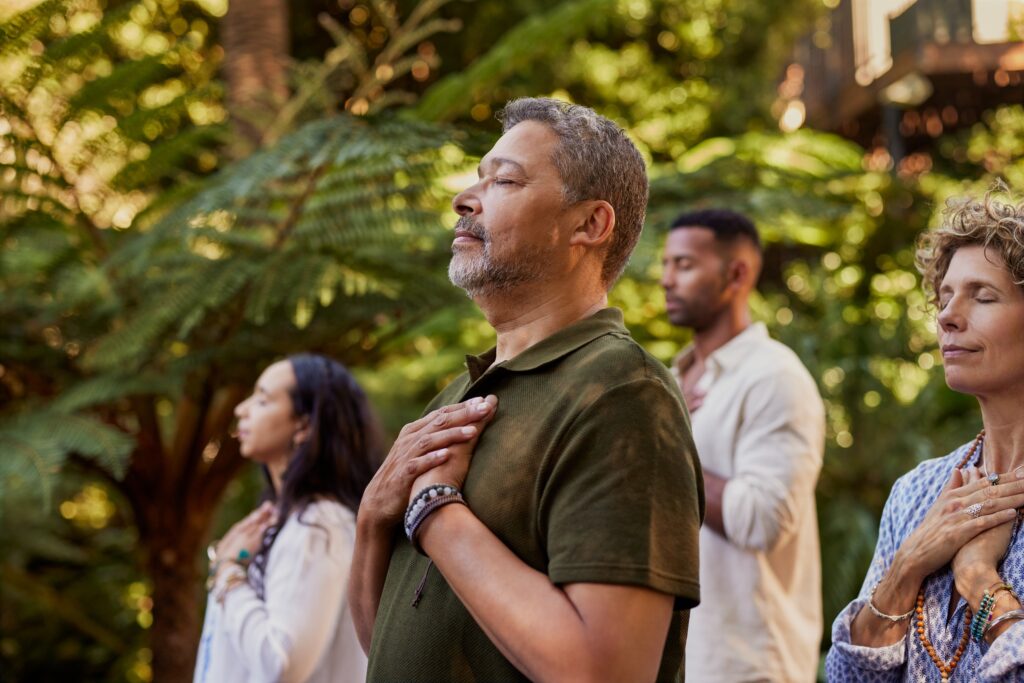
Many people think of confidence as loud, bold, and unshakable—a voice that commands attention or a presence that fills the room. But real confidence is often much quieter. It comes not from forcing yourself into the spotlight but from a deep inner peace that assures you of your own worth. When you are grounded in peace, you don’t need to prove yourself or seek constant approval. Instead, your confidence emerges naturally, steady and unbreakable.
Peace builds confidence by silencing the noise of self-doubt. In moments of stress or uncertainty, the mind tends to amplify insecurities: Am I good enough? What if I fail? What will they think of me? These questions erode confidence before you even begin. But peace calms this internal chatter. It reminds you that your value is not determined by external judgments but by the quiet certainty within. With this assurance, you are free to act without fear of rejection or ridicule.
Another way peace strengthens confidence is through clarity. Anxiety clouds judgment, leading to hesitation and second-guessing. But peace clears the mind, helping you see situations for what they are instead of through the lens of fear. This clarity makes decision-making easier, conversations smoother, and challenges less overwhelming. You trust yourself more—not because you believe you’ll never make mistakes, but because you know you can handle them with calm strength.
Peace also helps you separate ego from true self. Many forms of “confidence” are actually driven by comparison, competition, or the need to dominate others. This kind of confidence is fragile, easily shaken when someone else outshines you. But peace frees you from the trap of comparison. Instead of feeling threatened by others’ success, you can celebrate it, because your sense of worth doesn’t depend on being the best—it depends on being authentically you.
When you live with peace, your confidence becomes contagious. People gravitate toward those who exude calm assurance because it makes them feel safe and inspired. Unlike arrogance, which pushes others away, peaceful confidence creates connection. You become someone others trust—not because you always have the loudest voice in the room, but because your quiet presence carries weight, stability, and strength.
Ultimately, peace is the root of lasting confidence. It silences doubt, clears the mind, and anchors you in self-worth. When you cultivate inner calm, you no longer need to force confidence; it grows naturally, like a tree rooted in steady soil. The more peace you nurture within, the more confident you become—not in a way that demands attention, but in a way that quietly commands respect. This is the kind of strength that endures, no matter what life brings.
Peace in Motion: Carrying Calm into a Busy World
It’s easy to think of peace as something you only experience in stillness—a quiet morning, a meditation session, or a break from responsibility. But true peace isn’t about escaping the world; it’s about carrying calm into the middle of it. Life will always be busy, noisy, and unpredictable, but when you cultivate inner peace, you bring a sense of steadiness with you wherever you go. It becomes less about finding peace in silence and more about creating peace in motion.
One of the most powerful aspects of this kind of peace is its portability. When your calm depends on perfect conditions, it disappears the moment life becomes stressful. But when peace is internal, it follows you through crowded meetings, difficult conversations, and chaotic environments. Instead of being thrown off balance, you become the anchor in the storm, able to act with clarity while others are swept up in tension.
This moving peace also reshapes your relationship with stress. Instead of fighting against every challenge or viewing obstacles as threats, you approach them with a calmer mindset. Stress becomes something you navigate, not something that consumes you. This doesn’t mean challenges vanish—it means you handle them without losing yourself in the process. Peace gives you the mental strength to respond thoughtfully instead of reacting impulsively.
Carrying peace into daily life also transforms the way you connect with others. When you remain calm under pressure, you create a ripple effect. Your presence reassures those around you, making collaboration smoother and relationships stronger. In a world where many people are rushing, worrying, and competing, being someone who radiates steady calm sets you apart. It’s not passive—it’s powerful.
Of course, this kind of peace requires practice. It’s built through small, intentional choices—taking a breath before responding, noticing when your body tenses, pausing instead of rushing, and reminding yourself that calm is a choice you can return to at any moment. The more you practice, the more natural it becomes to carry peace with you, even when life is moving quickly.
Ultimately, peace in motion is about living from the inside out. Instead of letting the world dictate your state of mind, you bring your inner calm into the world. It becomes part of who you are—a source of quiet strength that sustains you no matter how busy or chaotic life gets. And when peace travels with you, every moment becomes an opportunity to live with balance, resilience, and quiet power.