
Fuel Your Body, Fuel Your Confidence
Nourishment as the Foundation: Building Confidence Through Food

Confidence is often seen as a purely mental state—something shaped by mindset, self-talk, and social experiences. While this is partly true, the role of physical nourishment in building self-confidence is often underestimated. What you eat and how you fuel your body directly influence your energy, your mood, and ultimately, how you show up in the world. If you’re constantly running on empty, it’s difficult to feel empowered, assertive, or ready to take on challenges. Proper nourishment creates the physical foundation on which confidence is built.
When the body is undernourished or overloaded with processed foods, your energy levels fluctuate wildly. You may feel sharp and alert one moment, only to crash into fatigue soon after. These ups and downs take a toll on your mental state. A tired, sluggish body makes self-doubt louder and motivation weaker. On the other hand, a balanced diet—rich in whole foods, fiber, protein, and healthy fats—helps regulate blood sugar and keeps energy steady. This stability fosters clarity of thought and consistency of mood, both of which fuel authentic confidence.
Nutrition also plays a vital role in brain health. The brain requires a steady supply of nutrients like omega-3 fatty acids, B vitamins, and amino acids to function optimally. Without them, you’re more prone to anxiety, irritability, and lack of focus. When you provide your brain with what it needs, you support emotional balance and cognitive sharpness. Imagine walking into a presentation or social event with your mind clear and focused instead of foggy or distracted. That clarity directly feeds into the confidence you project.
Food isn’t just about physical health—it also shapes your relationship with yourself. Choosing to nourish your body rather than punish it reflects a mindset of self-respect. Each time you choose a meal that truly fuels you, you’re sending a message to yourself: I matter enough to take care of my body. Over time, this practice builds self-trust and self-worth. Confidence grows not just from achievements, but from the daily choices that affirm your value.
It’s also worth noting that confidence fueled by nourishment isn’t about perfection or rigid diets. It’s about balance. Eating in a way that energizes you and still allows room for joy and flexibility creates sustainability. Confidence thrives when you feel free, not restricted. A peaceful, balanced relationship with food fosters resilience and self-assurance in other parts of your life as well.
Ultimately, nourishment is a silent but powerful contributor to confidence. By fueling your body with care, you unlock energy, focus, and emotional balance—all of which strengthen your ability to show up with confidence in any situation. When you eat well, you’re not just feeding your body—you’re fueling the very foundation of your self-belief.

In this Edition
- Nourishment as the Foundation: Building Confidence Through Food
- Energy from Within: How Healthy Habits Spark Lasting Confidence
- Strength in Nourishment: Building Confidence Through Food Choices
- Movement as Medicine: How Exercise Fuels Energy and Confidence
- The Role of Rest: Why Quality Sleep Fuels Confidence
- Movement Matters: How Exercise Builds Energy and Self-Assurance
- Mindful Eating: Connecting Food, Presence, and Confidence
- Movement as Fuel: How Exercise Builds Energy and Confidence
- Rest and Renewal: How Sleep Fuels Health and Confidence
- Mindful Eating: Nourishment That Strengthens Body and Confidence
Energy from Within: How Healthy Habits Spark Lasting Confidence

Confidence often feels like something you have to push yourself into—a posture, a mindset, or a role you adopt in front of others. But real, lasting confidence doesn’t come from forcing an image; it flows naturally when your body and mind are in harmony. One of the most overlooked sources of this inner strength is energy. When your body is fueled by healthy habits—regular meals, quality sleep, hydration, and movement—you radiate a kind of confidence that doesn’t need to be faked. It becomes a natural extension of how good you feel within yourself.
Energy is more than just the ability to stay awake or get through a long day. It is the foundation for presence. When you’re tired, distracted, or running on empty, you shrink away from opportunities because everything feels like a burden. But when you’re well-rested and well-nourished, you have the stamina to engage fully with life. You show up alert, capable, and grounded. This shift isn’t subtle—it changes how others see you, but more importantly, how you see yourself.
Healthy habits don’t just increase energy—they regulate it. Crash diets, caffeine overloads, and erratic routines create highs followed by inevitable crashes. These swings leave you unstable, physically and emotionally. In contrast, consistent habits—like eating balanced meals at regular times, staying hydrated, and moving your body daily—create a steady baseline of vitality. This reliability builds trust in yourself. Confidence grows when you know you can count on your body to carry you through the day.
The mental benefits are just as powerful. With stable energy, your thoughts become clearer and more organized. Anxiety and irritability, often magnified by physical exhaustion, begin to subside. When your mind is calm and focused, expressing yourself feels more natural. You participate more easily in conversations, take initiative at work, and navigate challenges without second-guessing yourself. Confidence is no longer something you have to summon—it emerges as a reflection of your internal balance.
Building these habits also nurtures self-respect. Every time you choose to prioritize your health—whether that’s preparing a nourishing meal, going to bed on time, or drinking water instead of soda—you’re affirming your worth. These small decisions compound over time into a deep sense of self-trust. You begin to feel proud of the way you care for yourself, and that pride translates into how you carry yourself in the world.
Ultimately, energy from within isn’t just about feeling awake—it’s about feeling alive. It’s about fueling your body in a way that sustains not only your health but also your confidence. When you cultivate healthy habits that give you lasting energy, you stop doubting whether you can keep up with life. Instead, you begin leading with clarity, resilience, and a natural confidence that others can feel the moment you walk into the room.
Strength in Nourishment: Building Confidence Through Food Choices

The way you nourish your body directly influences the way you feel about yourself. Food isn’t just fuel for survival—it’s a daily act of self-care that communicates how much you value your health and well-being. When you make intentional food choices, you’re not only supporting your body physically but also sending a message to yourself: I am worthy of care. That belief, reinforced meal by meal, gradually builds into confidence that radiates far beyond the dining table.
Choosing foods that energize you instead of depleting you has a transformative effect on your daily life. Balanced meals rich in whole foods—like fresh vegetables, lean proteins, whole grains, and healthy fats—stabilize your energy levels and prevent the sluggishness that often follows processed, sugar-heavy options. When you feel light, focused, and steady, you approach life with more enthusiasm. That physical vitality is often the missing piece for those who struggle to feel confident in their own skin.
Food also plays an important role in how you connect with your emotions. Many people eat reactively—reaching for comfort foods in times of stress or skipping meals when life feels overwhelming. These patterns create a cycle where emotions control your relationship with food instead of food supporting your emotions. By being mindful about what and how you eat, you take back control. This sense of mastery spills over into other areas of life, helping you feel stronger and more capable.
Confidence also grows from consistency. It’s not about eating perfectly—it’s about making choices that align with your well-being most of the time. Each nourishing choice builds a layer of self-trust. Over time, you stop questioning whether you’ll have the energy or stability to show up fully each day. You know your body is supported, and that reliability makes you feel secure in yourself. That sense of stability becomes visible to others through your posture, tone, and presence.
What’s equally important is rejecting the extremes of diet culture. Confidence doesn’t come from obsessing over calories or denying yourself joy—it comes from balance. Allowing yourself to enjoy food while also prioritizing nutrition helps you build a healthy, lasting relationship with what you eat. This approach reduces guilt and shame while reinforcing self-acceptance. True confidence can’t exist where self-criticism dominates, and food choices rooted in balance foster a much healthier inner dialogue.
Ultimately, nourishment is an act of empowerment. Every time you choose foods that sustain you, you reinforce a message of self-respect and strength. The confidence that emerges from this isn’t shallow or short-lived—it’s rooted in the trust that you are caring for your body with love and consistency. And when you feel strong from within, you naturally carry yourself with greater assurance, resilience, and joy.
Movement as Medicine: How Exercise Fuels Energy and Confidence
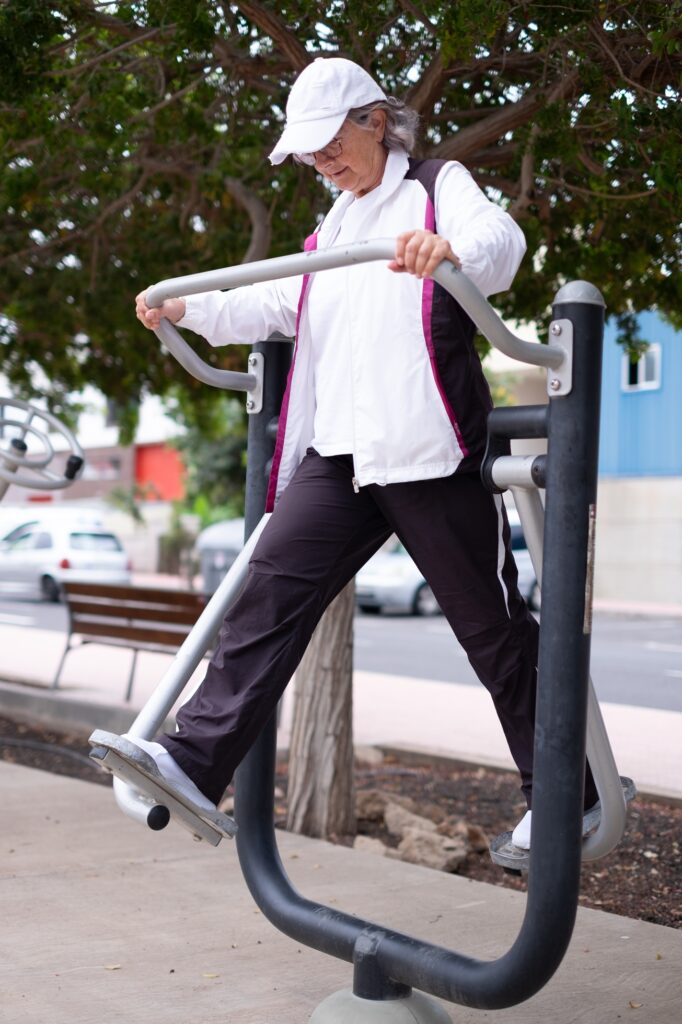
Exercise is often seen as a task to check off a list, but when reframed, it becomes one of the most powerful tools for both energy and confidence. Moving your body regularly does far more than shape your physical health—it creates a ripple effect that influences your mindset, resilience, and self-perception. Exercise teaches you discipline, consistency, and perseverance, all of which translate into how you carry yourself in daily life. It becomes less about “working out” and more about working within to build a foundation of strength and confidence.
When you exercise, your body responds with a surge of energy that lingers long after the activity ends. Blood flow increases, oxygen reaches your brain, and your muscles activate in ways that leave you feeling alive and capable. This vitality carries into every part of your day, from how you engage at work to how you interact socially. You no longer move through life drained and sluggish—you move with momentum, which naturally fosters confidence. People notice the difference, but more importantly, you feel the difference within yourself.
Exercise also has a profound impact on the mind. Physical movement releases endorphins, often referred to as “feel-good hormones,” which help reduce stress and combat anxiety. For those who struggle with self-doubt or negative inner dialogue, this mental shift can be transformative. It’s difficult to remain stuck in fear when your body is actively creating feelings of strength and positivity. Over time, exercise becomes a mental reset button, helping you return to a place of clarity and assurance.
Consistency in movement also nurtures a sense of accomplishment. Every workout completed, every walk taken, every stretch held is a promise kept to yourself. These promises may seem small, but they add up to a strong sense of self-trust. When you consistently follow through on caring for your body, you begin to believe in your ability to follow through in other areas of life. This self-reliance breeds confidence, because you know you can count on yourself to show up, no matter the circumstance.
Importantly, exercise is not about comparison—it’s about connection. Too often, people view fitness through the lens of competition or body image, which can actually damage confidence rather than build it. But when exercise becomes a personal practice, tailored to what makes you feel good and energized, it transforms into a deeply empowering ritual. Whether it’s yoga, strength training, dancing, or simply walking, movement becomes an act of self-expression and celebration, not punishment.
Ultimately, exercise is a form of medicine—not just for the body, but for the spirit. It energizes you, strengthens you, and aligns your physical and mental health in ways that directly feed confidence. When you move regularly, you don’t just carry yourself differently—you live differently. You approach challenges with resilience, you engage with others more openly, and you face each day with a vitality that radiates assurance. In this way, exercise isn’t just about fitness—it’s about building a confident, thriving self from the inside out.
The Role of Rest: Why Quality Sleep Fuels Confidence

In the pursuit of health and confidence, many people overlook one of the most powerful tools available: sleep. We live in a culture that glorifies being busy, where rest is often sacrificed in the name of productivity. Yet, the truth is that quality sleep is not just a luxury—it is a necessity for energy, mental clarity, and emotional resilience. Without proper rest, even the healthiest diet or exercise routine cannot fully unlock the confidence you seek, because your body and mind remain in a constant state of fatigue.
Sleep is the foundation upon which energy is built. During rest, the body restores itself, repairing muscles, regulating hormones, and consolidating memories. This recovery process allows you to wake up not only physically refreshed but also mentally prepared for the day ahead. When you skimp on sleep, your energy reserves are depleted, making even the simplest tasks feel overwhelming. Confidence naturally diminishes when you are tired, as exhaustion amplifies self-doubt and makes it harder to engage fully in daily life.
Beyond physical energy, sleep deeply affects how you feel about yourself. When you are well-rested, your mind processes emotions more effectively, helping you manage stress and avoid the spiral of negativity that often comes with fatigue. A lack of rest, on the other hand, leaves you more vulnerable to irritability, anxiety, and insecurity. This emotional instability can make social interactions feel draining rather than enjoyable, reducing your ability to express yourself confidently. Simply put, rest doesn’t just restore the body—it stabilizes the spirit.
Sleep also has a significant impact on cognitive performance. Confidence grows when you can think clearly, make decisions, and articulate your thoughts with ease. However, sleep deprivation clouds judgment, reduces focus, and diminishes memory, all of which can leave you feeling unprepared and uncertain. By prioritizing quality rest, you give yourself the mental sharpness needed to perform well at work, connect meaningfully with others, and navigate challenges with assurance. Confidence thrives in the presence of mental clarity, and sleep is the key to achieving it.
Importantly, the quality of your rest matters just as much as the quantity. A night of tossing and turning is not the same as deep, restorative sleep. Creating a healthy bedtime routine—such as limiting screen time before bed, keeping a consistent sleep schedule, and creating a calming environment—can make a profound difference. These rituals send a message to your mind and body that it is safe to relax, paving the way for a more peaceful and rejuvenating night of rest.
In the end, sleep is far more than downtime—it is a form of self-care that fuels both energy and confidence. By giving yourself permission to rest deeply, you are not being lazy—you are preparing to show up as your strongest, most capable self. Confidence is built when you feel centered, energized, and mentally sharp, and quality sleep is the foundation that makes all of that possible. When you honor rest as a vital part of your routine, you fuel your body, your mind, and your sense of self-assurance.

Movement Matters: How Exercise Builds Energy and Self-Assurance
Exercise is often viewed only as a way to lose weight or stay in shape, but its impact goes far deeper than physical appearance. Regular movement is one of the most powerful tools you have for boosting energy, strengthening health, and increasing confidence. When you move your body with intention, you send a message to yourself that you are strong, capable, and worthy of care. This belief translates into how you carry yourself in every aspect of life.
One of the most immediate effects of exercise is the surge of energy it provides. While it may seem counterintuitive that physical exertion leaves you feeling more energized, consistent movement improves circulation, strengthens the cardiovascular system, and boosts oxygen flow to the brain. This creates a natural energy reserve that helps you face daily challenges without dragging through the day. A body that feels alive and active naturally fosters a sense of confidence because you know you have the stamina to meet whatever comes your way.
Exercise also influences your mindset in profound ways. Physical activity triggers the release of endorphins, often referred to as “feel-good hormones,” which help reduce stress and elevate mood. This biochemical response not only lifts your spirits but also enhances self-belief. After a workout, you feel accomplished, empowered, and ready to take on challenges. Over time, this cycle reinforces the idea that you are capable of growth and improvement, and that belief strengthens your confidence.
Beyond the mental boost, movement reshapes how you see yourself. Consistent exercise builds strength, endurance, and flexibility, allowing you to experience your body as a partner rather than a limitation. Instead of focusing solely on appearance, you begin to appreciate what your body can do. Whether it’s lifting a heavier weight, running a little farther, or simply moving without discomfort, these physical milestones cultivate pride and resilience. Confidence grows when you recognize your progress and see yourself as capable of change.
Exercise also helps regulate emotions, which directly impacts how confidently you show up in social or professional situations. By reducing anxiety and releasing built-up tension, movement creates a sense of inner balance that makes it easier to engage with others authentically. When your nervous system is calm, conversations flow more easily, and you feel more grounded. This emotional stability reinforces your ability to handle pressure with grace, deepening your sense of assurance.
Ultimately, exercise is about more than physical fitness—it is about building trust in yourself. Every time you commit to moving your body, you prove that you can follow through, adapt, and grow stronger. These victories, big or small, become the building blocks of confidence. By making movement a regular part of your life, you not only fuel your body but also reinforce the mindset that you are resilient, capable, and ready to face the world with energy and self-assurance.
Mindful Eating: Connecting Food, Presence, and Confidence
In today’s fast-paced world, meals are often rushed, distracted, or overlooked entirely. Many people eat while scrolling on their phones, working at their desks, or watching TV, which disconnects them from the act of nourishing their bodies. Mindful eating shifts this dynamic by encouraging full presence during meals. When you eat with awareness, you not only improve digestion but also cultivate a deeper respect for yourself. That respect forms a foundation for authentic confidence, because you are treating your body as worthy of care and attention.
Mindful eating begins with slowing down. Instead of rushing through a meal, you take time to notice the colors, textures, and flavors of your food. This practice enhances enjoyment and satisfaction, often reducing the need for overeating. More importantly, slowing down gives your body the chance to signal fullness, helping you eat in alignment with your actual needs. By listening closely to your body, you reinforce trust in yourself, which translates into greater self-assurance in daily life.
This approach also helps break free from negative cycles of guilt and shame around food. Many people have learned to label foods as “good” or “bad,” creating unnecessary stress at mealtime. Mindful eating removes the judgment and replaces it with curiosity and acceptance. Every meal becomes an opportunity to ask: How does this food make me feel? That self-inquiry builds a positive relationship with food and, by extension, with yourself. Confidence flourishes when your inner dialogue is supportive instead of critical.


Two men and women are eating a vegetable salad together after exercising.
Beyond the physical and emotional benefits, mindful eating fosters gratitude. By pausing to appreciate the effort, resources, and nourishment behind every bite, you shift from a mindset of scarcity to one of abundance. Gratitude expands your perspective and grounds you in the present moment, creating a sense of calm strength. This peace makes you less reactive to stress and more able to approach challenges with composure—a quality that directly feeds into a confident presence.
Mindful eating also deepens your awareness of how food influences your energy and mood. Instead of eating on autopilot, you begin to notice which meals leave you feeling sluggish and which provide lasting vitality. Over time, this awareness empowers you to make choices that align with your goals, whether they’re related to health, productivity, or emotional balance. The ability to intentionally choose what fuels you best strengthens your confidence in decision-making as a whole.
At its core, mindful eating is not about perfection but about connection—to your body, to your food, and to the present moment. By reclaiming mealtime as an act of care instead of a task to rush through, you build a relationship with food that is grounded in respect, presence, and self-trust. That steady foundation creates a quiet but powerful confidence that follows you far beyond the table, influencing how you show up in work, relationships, and life itself.
Movement as Fuel: How Exercise Builds Energy and Confidence
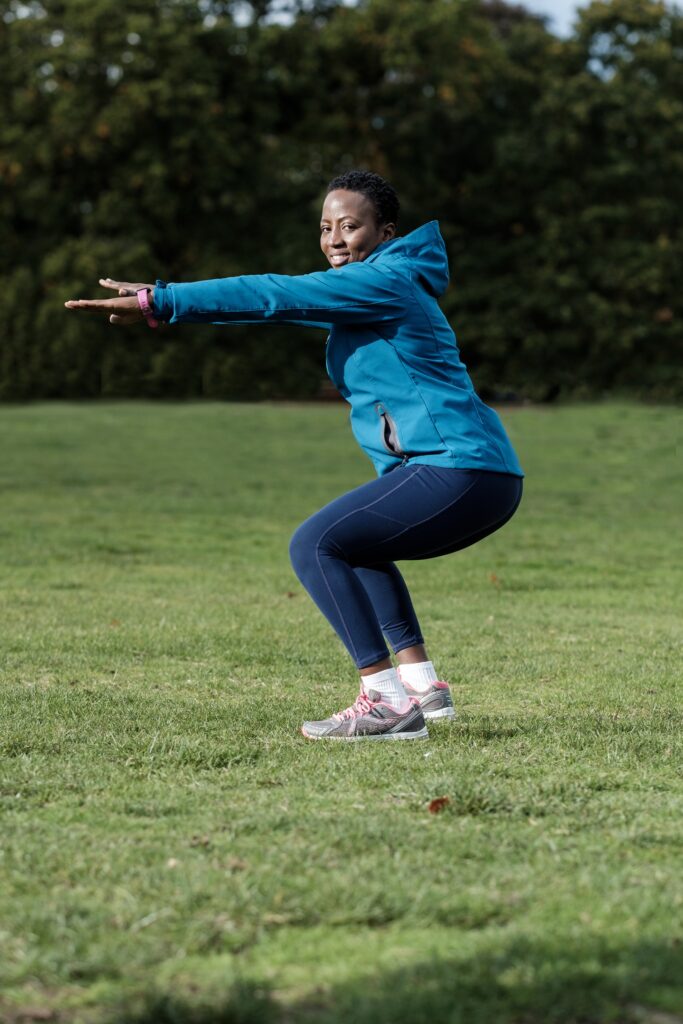
Exercise is often framed solely as a way to lose weight or build muscle, but its deeper purpose is about fueling both body and mind. When you move regularly, your body responds with increased energy, improved circulation, and enhanced mental clarity. Instead of draining you, movement replenishes your vitality, making everyday tasks easier and more enjoyable. This increase in energy naturally translates into greater confidence, because you feel capable, strong, and ready to take on challenges.
The relationship between movement and confidence is not limited to physical changes. Exercise improves posture, body language, and the way you carry yourself in the world. A simple act like standing taller or walking with purpose can change how others perceive you and, more importantly, how you perceive yourself. This embodied confidence becomes a quiet yet powerful reminder that strength is not only built in the gym—it is expressed in every interaction and decision.
Another crucial aspect is the role of exercise in mental health. Physical activity stimulates the release of endorphins, serotonin, and dopamine, which help reduce anxiety, stress, and depression. By engaging in consistent movement, you cultivate emotional balance and resilience. Confidence grows when you are not weighed down by constant worry or self-doubt, but instead supported by a mind that feels clearer and more stable. Movement becomes not just a physical act but an anchor for mental strength.
Importantly, movement also teaches discipline and perseverance. Every workout, no matter how small, is an opportunity to prove to yourself that you can follow through on commitments. Over time, this consistency builds trust in your own reliability. That trust spills over into other areas of life—whether in career, relationships, or personal growth—because you’ve established evidence that you can set a goal and achieve it. Confidence becomes less about what you hope to do and more about what you know you can do.
The type of movement matters less than the consistency. Whether it’s walking, dancing, yoga, weightlifting, or cycling, what matters most is finding joy in the process. When movement is framed as something you get to do instead of something you have to do, it becomes sustainable. This sense of freedom shifts the narrative away from punishment and toward empowerment, reinforcing a positive relationship with your body and a healthier sense of self.
Ultimately, exercise is not just about building a stronger body but about fueling a more confident life. By moving with intention, you generate energy, enhance mental well-being, and develop a deeper trust in yourself. This combination creates confidence that radiates from within—confidence that is grounded not in appearance but in the lived experience of strength, vitality, and resilience. Movement becomes more than fuel; it becomes the foundation for living boldly and with assurance.
Rest and Renewal: How Sleep Fuels Health and Confidence

In the pursuit of health and self-confidence, sleep is often overlooked. Yet, sleep is one of the most powerful tools for restoring the body and mind. When you sleep well, your body repairs itself, balances hormones, and consolidates memory, all of which contribute to sharper thinking and greater emotional stability. Without enough rest, even the best nutrition and exercise habits lose their impact. Energy fades, mood dips, and confidence begins to erode. Sleep, then, is not a luxury—it is the very foundation of strength and assurance.
A lack of quality sleep doesn’t just make you tired; it directly affects how you see yourself and how others perceive you. Fatigue leads to irritability, reduced focus, and low motivation, all of which chip away at your self-belief. On the other hand, well-rested individuals often display more patience, sharper communication, and better decision-making skills. Confidence grows naturally when you are fully present, alert, and capable of handling life’s demands with clarity and grace.
Physiologically, sleep plays a critical role in regulating hormones that impact mood and self-image. For example, insufficient rest can increase cortisol, the stress hormone, while lowering serotonin, the neurotransmitter linked to well-being. Over time, this imbalance fosters anxiety, poor eating choices, and reduced motivation to move—all of which undermine both health and confidence. By prioritizing sleep, you give your body the chance to recalibrate, fueling emotional balance and physical vitality in the process.
Sleep also strengthens resilience. Challenges and setbacks are part of life, but without proper rest, your ability to bounce back diminishes. When you wake up restored, you are better equipped to approach difficulties with calm determination rather than emotional reactivity. This resilience builds trust in yourself: you know that even when life tests you, you have the inner resources to rise again. Confidence is less about avoiding failure and more about believing you can recover from it. Sleep provides that assurance.
Building healthy sleep habits requires intentional effort in a world that glorifies busyness. Simple practices like creating a consistent bedtime routine, limiting screens before bed, and cultivating a calming sleep environment can drastically improve rest. Instead of pushing your body to its limits and treating rest as an afterthought, shifting your mindset to view sleep as fuel helps align daily habits with long-term wellness. Consistency, not perfection, is the key to building restorative sleep patterns.
Ultimately, sleep is not wasted time but an essential investment in yourself. Each night of deep rest is an act of self-care that strengthens your body, sharpens your mind, and restores your sense of self-worth. When you wake up with energy and clarity, you don’t just feel better—you show up better in every area of your life. Confidence begins with the belief that you are strong and capable, and restful sleep provides the foundation for that belief to grow and thrive.
Mindful Eating: Nourishment That Strengthens Body and Confidence
Food is more than fuel—it is a relationship we build with ourselves. Too often, eating becomes automatic, rushed, or emotionally driven, leaving us disconnected from the nourishment our body truly needs. Mindful eating transforms meals into an opportunity for awareness, gratitude, and self-respect. By paying attention to the quality of food we consume and the way we eat it, we strengthen both physical health and inner confidence. It is not just about what you eat, but about honoring your body through the act of eating.
Practicing mindful eating begins with slowing down and tuning into your senses. Noticing the colors, textures, and flavors of food creates a deeper appreciation for the meal and fosters a healthier relationship with nourishment. This awareness also helps prevent overeating, as you learn to recognize your body’s natural cues for hunger and fullness. Instead of letting emotions dictate eating habits, mindful eating places you back in control, allowing your choices to be intentional rather than reactive.
Confidence grows when you feel in command of your decisions, and mindful eating cultivates exactly that. When you choose foods that energize rather than drain you, you reinforce a sense of self-trust. Each healthy choice becomes evidence that you value yourself and your well-being. Over time, these small moments of alignment build a stronger foundation for confidence—not in an external, appearance-based way, but in the inner knowledge that you are caring for yourself with consistency and respect.
Mindful eating also dismantles the pressure of perfection. Diet culture often fuels guilt and shame around food, creating cycles of restriction and indulgence. By contrast, mindful eating focuses on balance, moderation, and presence. It invites you to enjoy food without judgment, savoring both the nutrients in a salad and the comfort of a favorite treat. This balanced approach reinforces self-worth, reminding you that health is about harmony, not extremes.
Beyond the personal benefits, mindful eating enriches your social confidence as well. Shared meals become moments of genuine connection rather than rushed necessities. Being fully present with food allows you to be fully present with others, creating more meaningful interactions. Confidence in social settings often begins with feeling comfortable in your own skin—and mindful eating nurtures this by aligning body, mind, and spirit in harmony.
Ultimately, mindful eating is about reclaiming power in one of the most basic human acts. Every meal becomes a choice to fuel your body with respect, awareness, and gratitude. This practice not only strengthens your health but also restores trust in yourself, which radiates outward as confidence in daily life. When you treat nourishment as an act of self-care rather than self-control, you create a lifestyle where health and confidence are no longer separate pursuits but two sides of the same fulfilling path.
Need Help?
FAQs
Welcome to our FAQ section—your go-to resource for quick answers to the most common questions.
1. How does nutrition affect confidence?
What you eat directly impacts your energy levels, mental clarity, and overall mood. A body that feels nourished and strong naturally supports higher confidence. When your energy is steady, you are more likely to engage positively in conversations, face challenges, and carry yourself with assurance.
2. What are some foods that boost both energy and mood?
Foods rich in complex carbohydrates (like oats, quinoa, and sweet potatoes), lean proteins (chicken, fish, beans), and healthy fats (avocados, nuts, olive oil) provide sustained energy. Additionally, leafy greens, berries, and omega-3-rich fish are linked to improved brain health and mood regulation.
3. Can exercise play a role in boosting confidence?
Yes—exercise strengthens the body while releasing endorphins, which elevate mood and reduce stress. Beyond physical benefits, regular movement builds resilience and reinforces the belief that you can set and achieve goals. This self-trust translates into greater confidence in daily life.
4. What is mindful eating, and how does it improve confidence?
Mindful eating is the practice of slowing down, appreciating your food, and listening to your body’s hunger and fullness cues. It helps you build a healthier relationship with food, avoid guilt-driven eating, and regain control over your choices. This sense of self-awareness strengthens both health and confidence.
5. How does hydration influence self-confidence?
Staying hydrated sharpens focus, improves skin appearance, and prevents fatigue. When you feel alert and physically well, you naturally show up with more energy and assurance, which enhances your self-presentation and social confidence.
6. What role does sleep play in fueling both body and confidence?
Quality sleep is critical for repair, hormonal balance, and cognitive performance. Without rest, energy dips and mood swings make it harder to stay calm and confident. Prioritizing sleep helps you feel more resilient and capable in daily interactions.
7. How can small, consistent health choices build long-term confidence?
Confidence grows through trust in yourself. Each time you choose a balanced meal, move your body, or rest well, you reinforce that you are capable of caring for yourself. Over time, these small, consistent actions create a deep sense of confidence rooted in self-respect.
8. What are some practical steps to reduce emotional eating?
Recognize emotional triggers by journaling or pausing before eating. Instead of reaching for food during stress, try alternatives like walking, deep breathing, or calling a friend. Practicing mindfulness helps you separate physical hunger from emotional cravings, putting you back in control.
9. How does body confidence differ from self-confidence?
Body confidence focuses on how you feel in your physical appearance, while self-confidence is broader—it encompasses trust in your abilities, resilience, and worth. Fueling your body well strengthens both, since physical health supports mental clarity and emotional stability.
10. How can I start building healthier eating and lifestyle habits today?
Begin small: drink more water, add vegetables to one meal, take a 10-minute walk, or practice eating without distractions. Focus on progress rather than perfection. Over time, these small steps compound into lasting habits that fuel your body and amplify your confidence.
Talk to the Team
Behind the Scenes
Contact our team and get the support you need.
Whether it’s feedback or a question—we’re here.
Whether it’s feedback or a question—we’re here.